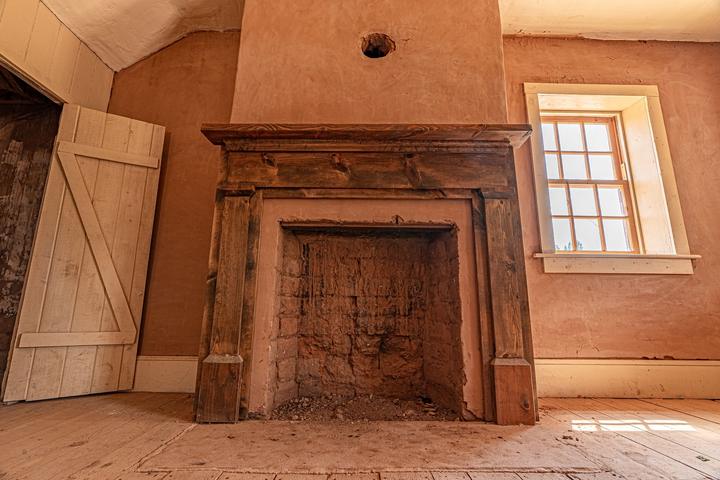
Creosote Removal in Clearwater, FL
Hardened, tar-like creosote taken off the flue walls so the chimney is safe to use again.
- Licensed & insured
- Same-day service available
- Owned and run locally
- Family run
Get Your Free Inspection
Request logged, thanks
Our office will be in touch shortly to book the free inspection.
Rather call? (239) 748-2971

Save 10% by Booking Within 72 Hours of Inspection
We inspect for free. Any service you book within 72 hours of that visit is 10% off the written price.
Why Clearwater Homeowners Call Us
Creosote removal clears the heavy, sticky or glazed deposits that build up in a chimney flue and resist ordinary sweeping. Our Clearwater crew identifies the type of build-up, uses rotary tools or a chemical treatment to break glazed creosote loose, and cleans it out; then we find why it formed, so it does not return.
-
Family run
One family owns the company and answers for every job our crew does.
-
Owned and run locally
Our office is on Calumet St, and our work stays in Clearwater.
-
Free inspection
We inspect for free and tell you plainly what we found.
-
No hidden fees
The written price is the price. New work needs your yes first.
-
Same-day service available
When the day's schedule has an open slot, we can come out the same day.
-
Licensed & insured
Licensed and insured for chimney and fireplace work. Ask for the details when you book.
Signs You May Need Creosote Removal
A normal sweep handles the dry, flaky creosote most fireplaces leave behind. When fires burn cool, the wood is wet or the flue is oversized, creosote can turn sticky and then hard and shiny. That glazed layer burns hot if it catches, and brushes slide right over it.
- Shiny, tar-like coating on the flue walls
- Black drips or crust at the damper
- A strong smell even when the fireplace is off
- A flue that looks narrowed by build-up
Why heavy creosote forms
Creosote condenses when smoke cools on its way up the flue. Damp wood, smoldering fires with the damper half shut, an oversized flue and an exterior chimney that stays cold all make smoke cooler and wetter. The deposit moves from soot to flakes to a tar that hardens into glaze. Each stage is harder to remove and more dangerous if it ignites.
Glazed creosote removal methods
For thick but brittle layers, rotary cleaning heads with flexible whips break the deposit off the flue walls. Hard glaze can need a chemical treatment applied over a few fires that turns it into a flaky residue a sweep can then remove. We choose the method by the type of liner, since some tools are too aggressive for clay tile or thin metal liners. Chimney creosote removal of this hard, glazed kind is sometimes called stage 3 creosote removal, the toughest of the three stages sweeps describe.
After the cleaning
Once the flue is clean we inspect the liner underneath, because heavy creosote can hide cracks or signs of an earlier chimney fire. Then we talk about the cause: drier wood, hotter fires, a smaller liner. Routine chimney sweeping after that keeps the flue from building up again.
Creosote Removal Questions
Does chimney sweeping remove creosote?
Chimney sweeping removes dry, flaky creosote and soot from the flue. Sticky or glazed creosote clings to the liner and needs rotary tools or a chemical treatment first. The sweep visit shows which type is there, so the right method is chosen.
Why is my chimney leaking black liquid?
Black liquid running from the chimney is usually creosote mixed with water. Rain enters through a missing cap or cracked crown, soaks the deposits in the flue and carries them down onto the damper or out through the brick; fix the water entry, then clean the flue.
Why is my chimney leaking creosote?
A chimney leaks creosote when heavy deposits in the flue get wet or heat up and run. The source is usually moisture from a cap or crown problem plus build-up from smoldering fires. Removing the deposits and stopping the water both matter.
Is glazed creosote dangerous?
Yes. Glazed creosote is dense fuel stuck to the flue walls, and if it ignites it can burn very hot and crack the liner. Keep the fireplace off until it has been removed and the liner inspected. Then burn dry wood with a lively fire to prevent it.
Related Chimney and Fireplace Work


Request Your Free Inspection
- Free inspection
- Family owned and operated
- Licensed & insured
Request logged, thanks
Our office will be in touch shortly to book the free inspection.
Proudly American
A locally owned Clearwater family business, with an experienced crew that works inside the city.

Book a Free Chimney Inspection in Clearwater
Send the short form and the office sets a time. Our crew inspects, and you see the written price before anything is touched.